In the Philippines, the Filipino language is filled with deep and beautiful words that express emotions, values, and traditions. However, many of these uncommon Filipino words are now slowly being forgotten. With the rise of modern communication, globalization, and the influence of English and Taglish, these words are no longer used in daily life. As a result, they fade from memory, leaving behind only a few traces in books and old literature.
Hunyango – It refers to a species or a cultural group characterized by a specific cultural and population shift, where a location transitions to a majority of “Hunyago” individuals through intermarriage or cultural assimilation.

Siphayo – it is a disappointment, dismay, or a sense of frustration due to unmet expectations or a failed goal. It can also refer to a feeling of sadness or regret when something doesn’t turn out as hoped.

Tagulamin – refers to mildew or mold, particularly that which forms on dirty clothes left unwashed for a long time.

Silakbo – it is emotional outburst or a surge of emotion. It signifies a sudden and powerful release of feelings, often demanding to be acknowledged and expressed.

Puyos – an overwhelming surge of anger or emotion. It is more than simple irritation or frustration; it is a powerful, consuming feeling that shakes a person from within. In English, it can be translated as rage, fury, wrath, or seething emotion.

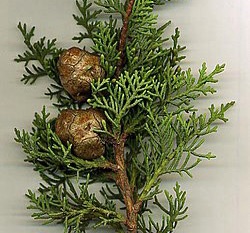
Sipres – a type of evergreen conifer tree known for its small, rounded, woody cones. It also refers to the wood of these trees, often used in construction and crafts.
Panimdim – refers to a feeling of melancholy, sadness, or pensiveness. It can also imply a deep or profound sadness, sometimes stemming from repressed emotions. In some contexts, it can also mean reflection or deep thought.

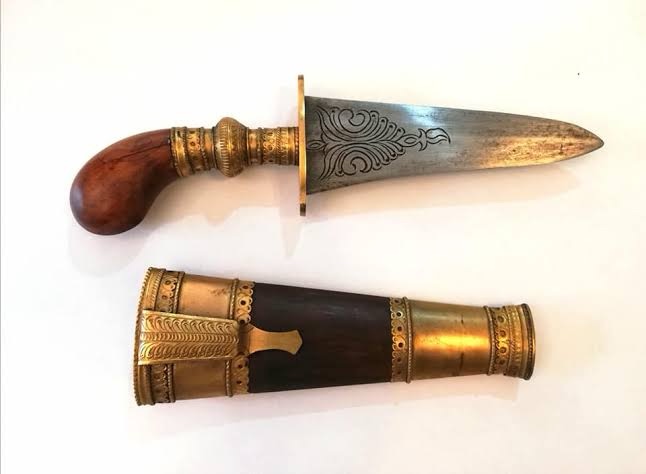
Punyal – A dagger is a short, double-edged blade, often associated with combat, defense, and survival. In history, it was carried not only as a weapon but also as a symbol of authority, courage, and sometimes betrayal.
Agunyas – Agunyas is the solemn tolling of a church bell for the dead. It can be a form of prayer or ritual to mourn the deceased.

Anluwage – refers to a skilled worker who builds, repairs, or constructs wooden structures. Essentially, it’s the Tagalog term for someone who works with wood, like building houses, furniture, or other wooden objects.

Uncommonly Filipino words are forgotten because of globalization, changing lifestyles, limited educational exposure, and modern communication habits. While language naturally evolves, it is important to preserve these words, for they carry the cultural memory and wisdom of past generations. Reviving them through literature, education, and media will help keep the richness of the Filipino language alive for the future.

 Emptech.wordpress